Territorial context
Land tenure, community structures, prior agreements and the history that shapes how a new operator is received.
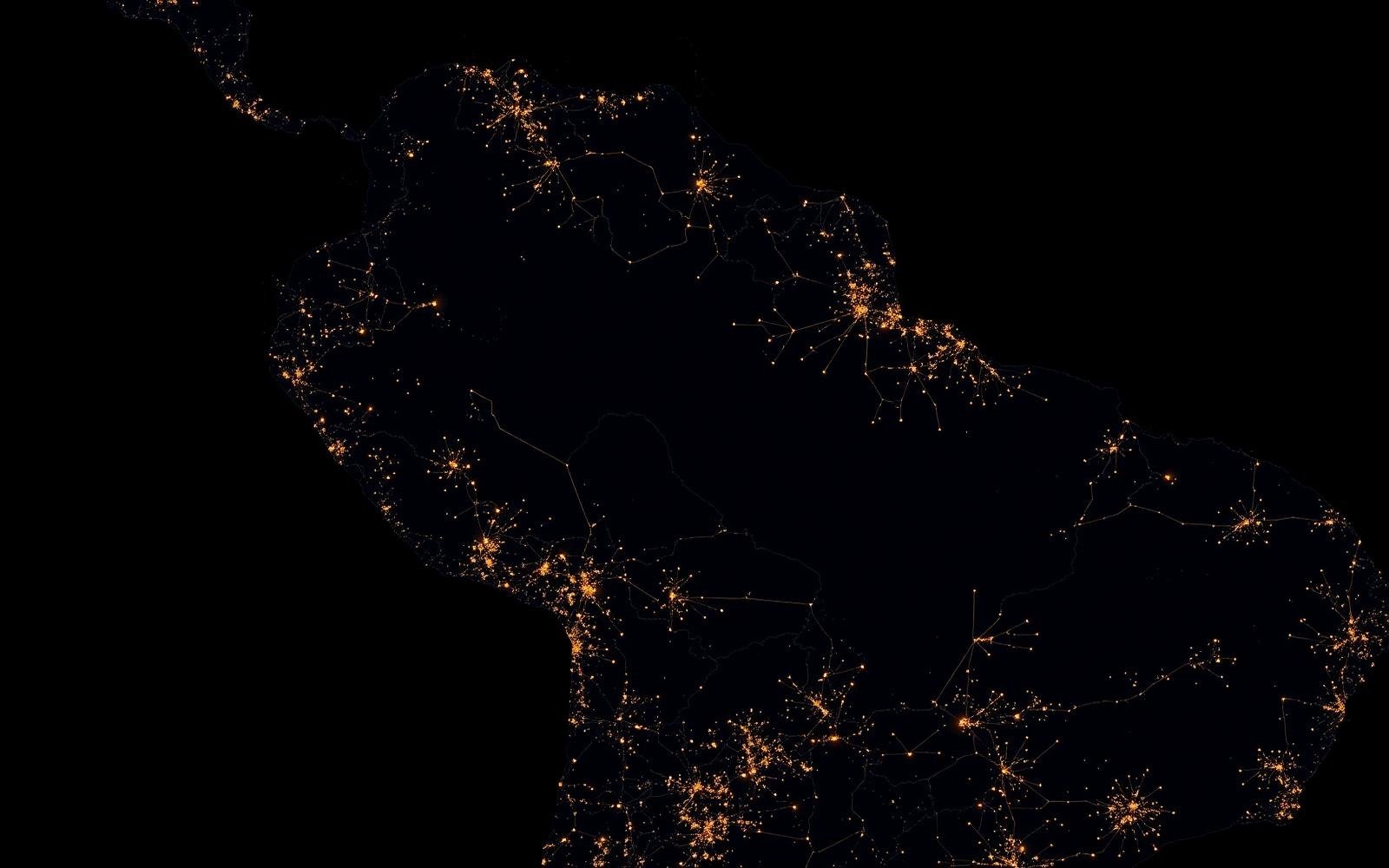
Entering Peru requires more than country-risk data. Strategic, social, territorial, security, logistics and operational factors interact differently at asset and project level. AEGIS helps leadership understand that operating environment before capital, personnel and reputation are exposed.
The gap country data leaves
Country risk indices are built for portfolio comparison, not for a specific concession, corridor or plant. Two assets a hundred kilometres apart can face entirely different social contexts, access arrangements, response times and stakeholder maps — while sharing the same national score.
What determines whether a project runs on schedule is usually local and specific: who holds the land, how access was agreed, how far the nearest capable medical facility is, which routes remain usable in the wet season, how a community expects to be consulted, and how quickly a decision can be escalated when something changes. Those are the variables we assess.
Land tenure, community structures, prior agreements and the history that shapes how a new operator is received.
Stakeholder mapping, consultation expectations and the difference between formal and effective representation.
Routes, seasonality, drive times, chokepoints and the practical limits on moving people and equipment.
Asset-level threat and vulnerability assessed against real consequence, not national generalisation.
Permitting, enforcement, response capability and how each behaves in the specific district you operate in.
Medical, evacuation and crisis escalation measured in hours and kilometres rather than in policy documents.

How we support entry
Support is sequenced against your decision timeline — an investment committee date, a mobilization window, a drilling season. We start with what unblocks the decision.
Scope is agreed before work begins. Where a decision is imminent, an initial operating-environment read can be delivered ahead of the full assessment so leadership is not waiting on a document.
Who we advise here
Most of the decisions that shape a Peruvian operation are taken in a head office on another continent. Our role is to make sure the picture in that room matches conditions on the ground.
Beyond Peru
AEGIS is headquartered in Lima and works across Latin America, supporting international clients whose operations, supply chains and executive travel cross borders in the region. The method is the same everywhere; what changes is the local reading.
Response within two business days · Confidentiality assured