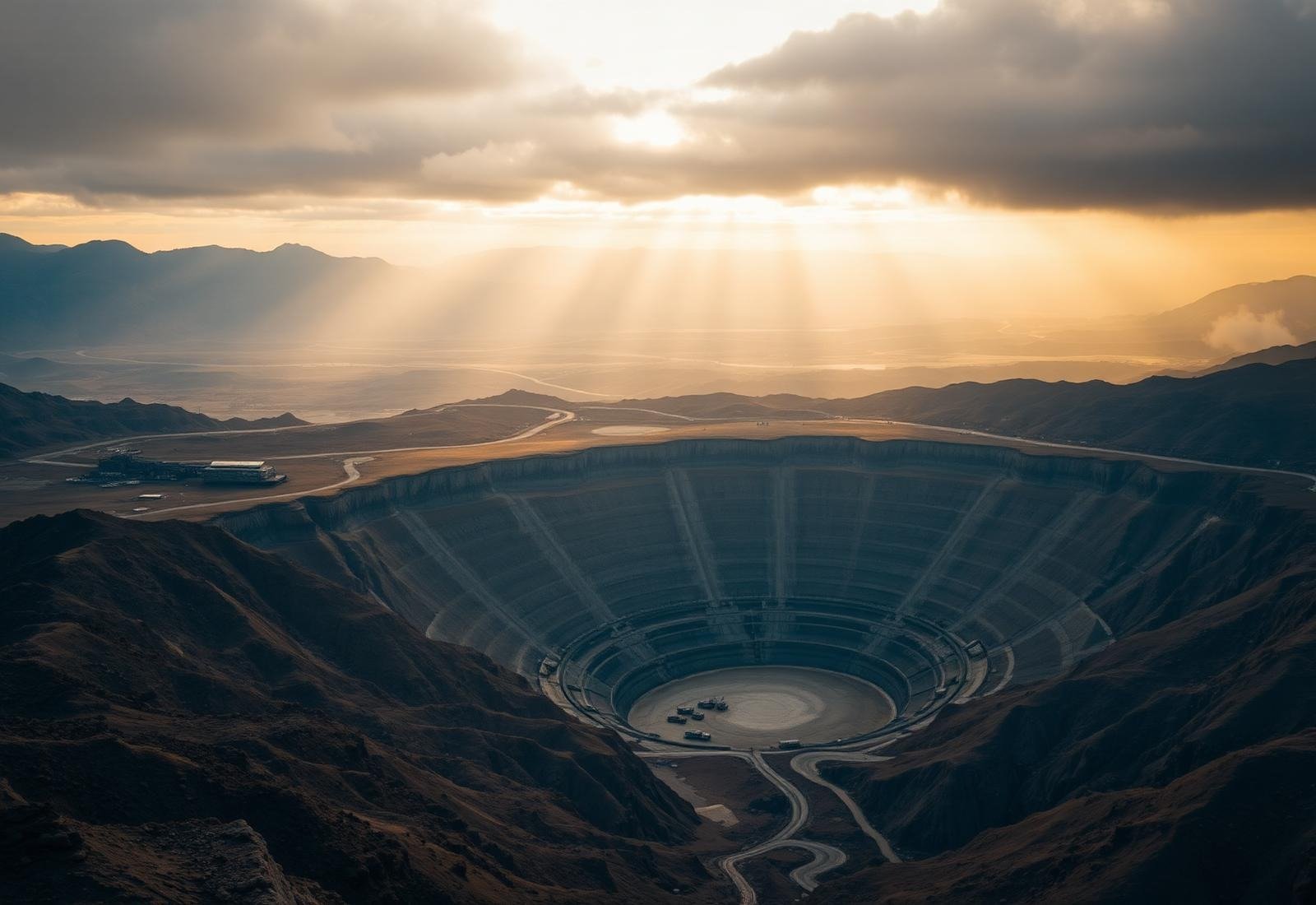
Mining & exploration, across the project lifecycle.

Exploration and mining carry a distinct risk structure: access is negotiated rather than assumed, territory is socially occupied, logistics are measured in hours of drive time, and the decisions that matter most are taken long before an asset produces.

The lifecycle

Four stages, four different questions.

What leadership needs from a risk advisor changes as a project moves from evaluation to production. We work the whole lifecycle, and engagements frequently begin at one stage and continue into the next.

Stage 01

Before entry

Investment and operating-environment assessment. Does the risk picture change the investment case, the valuation or the timeline?

  • Pre-entry risk assessment
  • Operating-environment assessment
  • Asset-level exposure analysis
  • Executive briefing for investment committee
Stage 02

Before mobilization

Risk structure, access, logistics, duty of care and crisis readiness — established before the first team goes to the field.

  • Exploration Risk Assessment
  • Security Risk Assessment
  • Travel and journey risk
  • Emergency and evacuation readiness
Stage 03

Field operations

Security, intelligence, movement, remote-site support and continuity while the programme is running.

  • Risk intelligence and indicators
  • Remote operations support
  • Crisis management architecture
  • Business continuity for field activity
Stage 04

Operational maturity

Governance, standards, assurance and performance — turning a set of measures into an operating capability.

  • Security governance framework
  • Executive risk reporting
  • Assurance and maturity review
  • Training and simulation programme
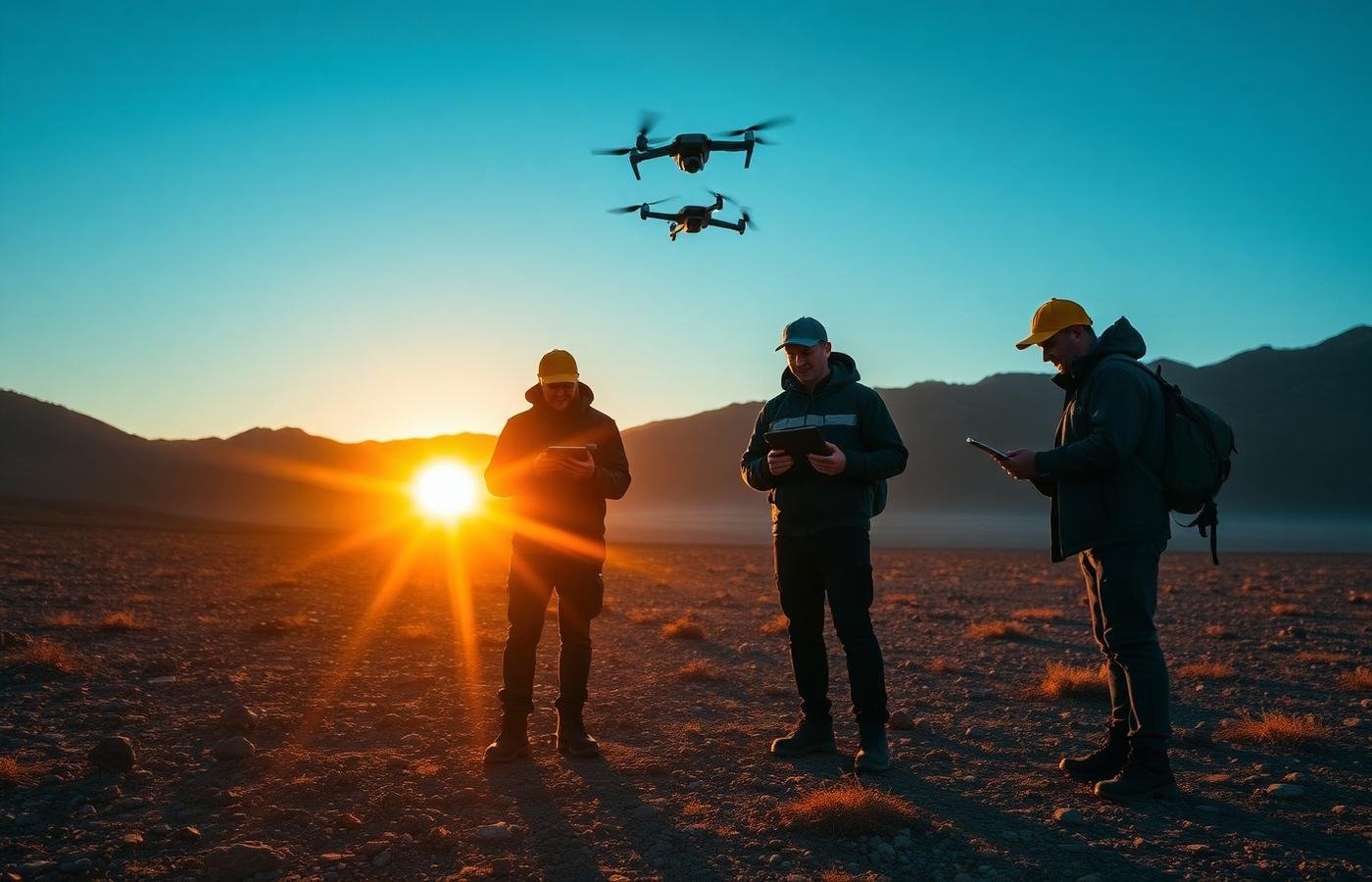
Exploration team operating survey drones over open ground at sunrise

Who we work with

From the investment committee to the drill pad.

The same programme is judged very differently depending on where you sit. We work with all of those perspectives, and part of our value is keeping them aligned on one risk picture.

  • CEOs and country managers
  • COOs and operations directors
  • VPs Exploration and exploration managers
  • Security and risk leadership
  • Investment committees
  • International investors

What an engagement may include

Specific outputs, agreed in advance.

Scope is set with the client. The list below reflects what mining and exploration engagements typically produce — not a promise that every engagement contains every item.

Typical deliverables

  • Pre-entry risk assessment
  • Exploration Risk Assessment
  • Security Risk Assessment
  • Operating-environment assessment
  • Risk intelligence
  • Travel and journey risk
  • Remote operations support
  • Crisis management architecture
  • Emergency and evacuation readiness
  • Business continuity
  • Security governance
  • Executive risk reporting
  • Assurance and maturity reviews

Work is aligned to the programme calendar. Where a drilling season or mobilization date is fixed, we sequence the assessments that gate that date first and complete the remainder in parallel.

One vertical, not the whole firm

Mining is a priority, not a limit.

Exploration risk management is a differentiator for AEGIS, and mining is where a great deal of our field experience was built. It sits inside a broader strategic risk practice that also serves energy, infrastructure, critical operations, government, private equity and international investors.

See all industries

Planning an exploration programme in Peru or Latin America?

Request a confidential discussion

Capabilities most often engaged

A mining or exploration programme rarely draws on one capability. These are the ones that usually carry the weight, in the order they tend to be needed.

Let’s start the conversation.

Request a Confidential Consultation

Response within two business days · Confidentiality assured